

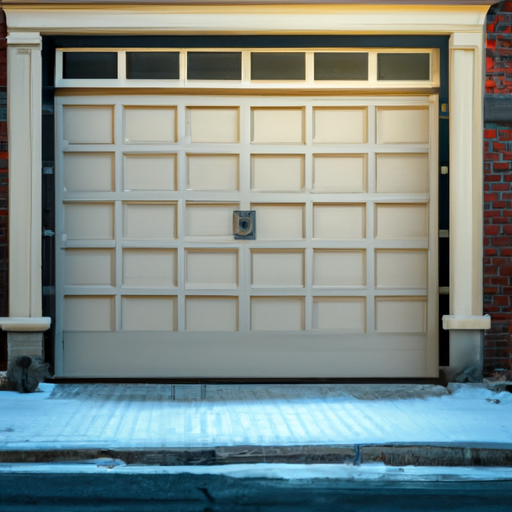
Practical garage door repair guidance for Boston homeowners
If you own a home in Boston, MA, understanding basic garage door repair and maintenance saves time and prevents costly damage. A reliable garage door protects your car, tools, and entry to the house — and New England weather places extra demands on moving parts and seals.
Quick safety checks and routine maintenance
Start with a short monthly inspection. These steps are small but directly reduce emergency calls and extend the life of the system:
- Visual check: look for broken springs, frayed cables, or bent tracks.
- Balance test: disconnect the opener and lift the door halfway — it should hold. If it falls or rises, call for professional garage door repair.
- Lubrication: apply a light garage-grade lubricant to rollers, hinges, and springs every six months.
- Weatherstrip inspection: replace cracked or missing bottom seals to stop drafts and water intrusion during coastal storms.
- Auto-reverse test: place a 2×4 on the floor and close the door — the opener should reverse on contact.
These routine actions are the cheapest way to avoid a full replacement and help you spot wear before failure.
Common problems Boston homes face (and quick fixes)
Salt, freezing temperatures, and humidity affect garage doors in Massachusetts. Here are frequent issues and immediate steps homeowners can take safely.
Frozen tracks and sticky seals
In winter, tracks and seals can freeze. Gently clear snow and ice away from the door perimeter. Use a hair dryer on low to thaw ice around the bottom seal. Avoid forceful opening when frozen — that risks bending tracks or breaking rollers and increases the need for professional garage door repair.
Noisy operation or grinding
Noise often means worn rollers, lack of lubrication, or loose hardware. Tighten loose bolts and apply lubricant to moving metal parts. If the noise persists, worn components may require replacement as part of a residential service.
Remote or opener problems
First swap out the remote battery. If the opener still misbehaves, check the safety sensors for alignment and obstruction. If you have intermittent operation or a burning smell, stop using the opener and schedule garage door repair to inspect the motor and wiring.
When to DIY and when to call a pro
DIY is fine for small tasks: replacing weatherstripping, tightening fasteners, lubricating parts, and swapping a remote battery. Anything involving springs, cables, torsion systems, or the opener’s motor should be handled by trained technicians because those parts store considerable energy and can cause injury.
If you’re unsure, contact a local team to evaluate the issue — many technicians offer quick diagnostic calls and can quote repairs. For more on what to expect from professionals, check our services page: https://garagedoors-boston.com/services.
Budgeting, timelines, and realistic expectations
Understanding cost drivers helps you plan. Typical factors in garage door repair pricing include the type of door, spring type, labor during peak seasons, and parts availability in the Boston area.
- Minor repairs (rollers, weatherstrip, sensor realignment): same-day to 1–2 days; lower cost.
- Spring replacement: 1 day; requires skilled technician and safety equipment.
- Opener replacement: 1–2 days; depends on wiring and chosen model.
- Full door replacement: 1–3 days; includes removal, fit, and adjustments.
Winter and storm periods can add a short wait for parts or scheduling. For seasonal tips and deeper guides, our blog has local advice specific to Massachusetts climate: https://garagedoors-boston.com/blog.
Warranties and parts
Always ask about part warranties and labor guarantees before work begins. Reputable residential service providers back their work and use OEM or high-quality aftermarket parts. Keep receipts and warranty documents in case issues arise after repair.
Preparing for a service visit
Make the visit efficient and safe by doing a few prep steps:
- Clear cars and clutter from the garage so the technician has room to work.
- Note unusual symptoms, approximate dates when issues began, and any prior repairs.
- Confirm access to the circuit breaker for the opener and any smart-home integrations.
If you’re ready to schedule an inspection or need emergency help, contact the team directly for a prompt estimate: https://garagedoors-boston.com/contact.
Weatherproofing and winterizing tips specific to Boston
Boston homeowners should focus on corrosive salt exposure and freeze-thaw cycles:
- Apply rust-resistant lubricant to exposed metal and hinges in late fall.
- Replace the bottom seal before the first heavy snow to prevent melting water from entering the garage.
- Insulate the garage door if you use the space as a workshop—this reduces strain on the opener and improves energy efficiency.
Simple weatherproofing reduces the frequency of garage door repair and improves comfort year-round.
Summary: practical next steps for homeowners
Run a monthly safety check, prioritize spring and cable concerns to a pro, and winterize before the cold hits. Keeping records of maintenance and repairs protects home value and reduces emergency costs.
For an on-site estimate from local technicians who understand Boston conditions, reach out to schedule a visit today.
Frequently asked questions — Boston, MA
Q: How does Boston weather affect garage door springs and cables?
A: Cold and coastal salt accelerate corrosion and metal fatigue. Inspect springs and cables for rust or fraying before winter; if you see rust build-up or hear popping, schedule professional garage door repair to avoid sudden failure.
Q: How long does a typical spring replacement take in the Boston area?
A: Most torsion or extension spring replacements are completed in a single service visit (2–4 hours). If parts must be ordered or if the door needs adjustment, allow a full day. Winter scheduling may add time.
Q: Do I need a permit to replace or repair my garage door in Boston?
A: Minor repairs usually don’t require permits. Full door replacements or structural changes may. Check Boston building codes or ask your contractor to confirm permit needs before work begins.
Q: What price range should I expect for common repairs?
A: Small fixes like sensor alignment or weatherseal replacement are relatively inexpensive. Spring replacement and motor repair cost more; full door replacement is the highest expense. Request a written estimate that lists parts, labor, and warranties.
Q: Are warranties common for residential garage door repair in MA?
A: Yes—most reputable local companies offer parts and labor warranties. Ask for warranty length and whether it covers onsite labor or parts only, and keep the paperwork after service.
Helpful local resources in Boston, MA
- Garage Door Repair Boston
- Garage Door Repair Cambridge
- Garage Door Repair Newton
- Garage Door Repair Lexington
- Garage Door Repair Wellesley
- Garage Door Repair Brookline
- Garage Door Repair Somerville
- Garage Door Repair Burlington
- Garage Door Repair Andover
- Garage Door Repair Weston
- Garage Door Repair Belmont
- Garage Door Repair Westwood
- Garage Door Repair Sharon
- Garage Door Repair Needham
- Garage Door Repair Concord
- Garage Door Repair Hingham
- Garage Door Repair Scituate
- Garage Door Repair Marblehead
- Garage Door Repair Natick
- Garage Door Repair Milton
- Garage Door Repair Acton
- Garage Door Repair Medfield
- Garage Door Repair Sudbury
- Garage Door Repair Wayland
- Garage Door Repair Hanover
- Garage Door Repair Tewksbury
- Garage Door Repair Carlisle
- Garage Door Repair Dover
- Garage Door Repair Hopkinton
- Garage Door Repair Framingham

