

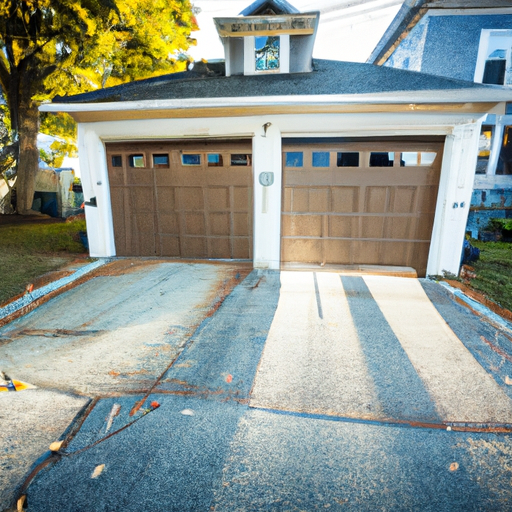
Homeowners in Boston, MA face unique weather and building challenges that affect garage doors every year. Deciding between DIY work and hiring a professional for garage door maintenance can save time, money, and safety headaches. This guide compares common DIY tasks with situations where a trained technician is the right call, so you can protect your investment and keep your daily routine running smoothly.
Why regular garage door maintenance matters
Routine garage door maintenance prevents unexpected failures, reduces repair costs, and extends the life of door systems. In coastal and urban areas like Boston, MA, salt air, freeze-thaw cycles, and older home stock put extra strain on rollers, springs, and tracks. Regular care helps you spot wear before it causes a complete breakdown.
Common maintenance goals:
- Maintain safe operation and smooth performance
- Reduce noise and vibration
- Protect insulation and weather seals from drafts
- Catch early signs of rust, fraying, or misalignment
DIY garage door maintenance: what most homeowners can do
There are practical, low-risk tasks homeowners can handle to keep their doors running well. These updateable checks fit into a short weekend routine and do not require special licensure.
Tasks you can do yourself
- Visual inspection: Look for loose hardware, worn cables, or dented panels. Do this monthly.
- Lubrication: Apply a silicone or lithium spray to rollers, hinges, and the torsion shaft once or twice a year. Avoid oil-based lubricants on nylon rollers.
- Balance test: Disconnect the opener and move the door by hand. A properly balanced door should stay open about three to four feet above the floor. If it doesn’t, that’s a warning sign.
- Weatherstrip check: Replace worn bottom seals to keep out moisture and drafts, especially useful in Boston winters.
- Test safety features: Use the reverse mechanism and photo-eye sensors to confirm the opener stops and reverses when obstructed.
These DIY steps maintain performance and are generally safe for homeowners. They are also a good first line before calling a technician, and they reduce the frequency of major repairs.
When to call a professional
Some jobs carry high risk or need specialized tools and training. In those cases, professional garage door maintenance is the safer, smarter choice.
High-risk tasks best left to pros
- Torsion spring replacement or adjustment: Springs store a lot of energy and can cause severe injury if mishandled. This is the top reason to hire a certified technician.
- Cable repair or replacement: Frayed or broken cables require re-tensioning and precise alignment that pros provide safely.
- Track realignment: Bent or misaligned tracks can cause the door to jam; technicians correct these while ensuring proper panel fit and opener synchronization.
- Opener motor faults: Electrical or control-board issues often need diagnostic tools and replacement parts under warranty.
- Major panel or structural damage: If wind or a vehicle hit the door, pros assess structural integrity and local code compliance.
For these situations, a professional brings trained crews, proper replacement parts, and insurance coverage. If your home is older or the door shows long-term wear, scheduling a service call through a reputable company is prudent — see typical service options on our services page.
Cost considerations: DIY vs professional garage door maintenance
Budget decisions should weigh immediate savings against long-term costs and safety. Simple DIY upkeep like lubricants and weatherstripping may cost under $50 annually. By contrast, professional maintenance visits in the Boston area commonly range from a basic inspection fee up to several hundred dollars for spring or cable work.
Typical local price ranges (Boston, MA):
- Basic tune-up and inspection: $75–$150
- Spring replacement (parts & labor): $200–$400+
- Cable replacement or track repair: $150–$350
- Opener replacement: $300–$900 depending on features
Professional maintenance often includes a written estimate, warranty, and proper disposal of old parts — factors that reduce future costs. If you want to read updated advice and seasonal tips, check our blog for local articles and checklists.
How to choose the right contractor in Boston, MA
When you decide professional help is needed, choose a contractor with local experience and transparent terms. Here are quick screening steps:
- Verify insurance and business license; ask for proof.
- Request references or recent local projects in Boston neighborhoods.
- Compare written estimates with parts, labor, and warranty detailed.
- Confirm technicians are trained on your door brand and opener type.
- Ask about emergency response windows and weekend availability.
Most full-service companies also offer maintenance plans to spread costs and ensure annual checks. If you want to schedule an inspection or have a question about a current issue, contact our team directly through the contact page.
Seasonal checklist for Boston homeowners
Adapting your maintenance schedule to New England weather prevents cold-weather failures and corrosion. Use this checklist at the start of winter and after spring thaw:
- Clear tracks of debris and check for rust spots.
- Lubricate moving metal parts before the first deep freeze.
- Inspect bottom seal and replace if cracked to prevent drafts and ice buildup.
- Test opener safety reversal and photo eyes monthly.
- Schedule a pro inspection every 12–18 months for torsion springs and cable tension.
Following these steps reduces emergency calls during storms and keeps your door operating reliably year-round.
Making the final decision: DIY or hire a pro?
Use this quick decision guide:
- If the job is visual, lubrication, or seal replacement — DIY is reasonable.
- If it involves springs, cables, or structural alignment — hire a professional.
- If the opener has electrical faults or intermittent behavior — choose a trained technician.
- If the door serves as a primary entrance or secures valuables — prioritize professional maintenance.
Good maintenance combines regular homeowner checks with periodic professional servicing. That hybrid approach keeps costs down while ensuring safety and longevity for your system.
Final notes for Boston homeowners
Garage door maintenance is an essential part of home improvement in Boston, MA. Proper care reduces noise, improves safety, and avoids costly emergency repairs. A routine program — basic DIY checks quarterly and a professional inspection annually — is an effective strategy for most residential service needs.
If you want an on-site recommendation or a written quote tailored to your door type and neighborhood conditions, reach out through our contact page to request a visit or call to schedule service. Professional help is usually the right answer when safety, warranty, or complex mechanisms are involved.
Frequently Asked Questions
Q: How often should I perform garage door maintenance in Boston, MA?
A: For Boston homeowners, inspect and lubricate moving parts every 6 months and test safety features monthly. Have a professional inspection at least once every 12–18 months, especially after harsh winters.
Q: Are torsion spring repairs permitted for DIY in Massachusetts?
A: Technically you can attempt many home repairs, but torsion springs are dangerous and often insured technicians perform replacements. Hiring a licensed pro in MA protects you from injury and ensures proper code compliance.
Q: What is a typical turnaround time for professional garage door maintenance in Boston?
A: Routine tune-ups and inspections are usually completed within 1–2 hours. More complex repairs like spring replacement or track realignment can take 2–4 hours depending on parts availability.
Q: How much should I budget for residential garage door maintenance and repairs in Boston?
A: Expect basic maintenance visits to run $75–$150. Major repairs such as spring replacement typically range $200–$400+. Always ask for a written estimate that includes parts, labor, and warranty details.
Q: Do I need permits for garage door replacement in MA?
A: Permitting rules vary by Boston neighborhood and the scope of work. Replacing an opener rarely requires a permit, but structural changes or new openings might. Ask your contractor to confirm local code and pull permits when necessary.
Helpful local resources in Boston, MA
- Garage Door Repair Boston
- Garage Door Repair Cambridge
- Garage Door Repair Newton
- Garage Door Repair Lexington
- Garage Door Repair Wellesley
- Garage Door Repair Brookline
- Garage Door Repair Somerville
- Garage Door Repair Burlington
- Garage Door Repair Andover
- Garage Door Repair Weston
- Garage Door Repair Belmont
- Garage Door Repair Westwood
- Garage Door Repair Sharon
- Garage Door Repair Needham
- Garage Door Repair Concord
- Garage Door Repair Hingham
- Garage Door Repair Scituate
- Garage Door Repair Marblehead
- Garage Door Repair Natick
- Garage Door Repair Milton
- Garage Door Repair Acton
- Garage Door Repair Medfield
- Garage Door Repair Sudbury
- Garage Door Repair Wayland
- Garage Door Repair Hanover
- Garage Door Repair Tewksbury
- Garage Door Repair Carlisle
- Garage Door Repair Dover
- Garage Door Repair Hopkinton

