

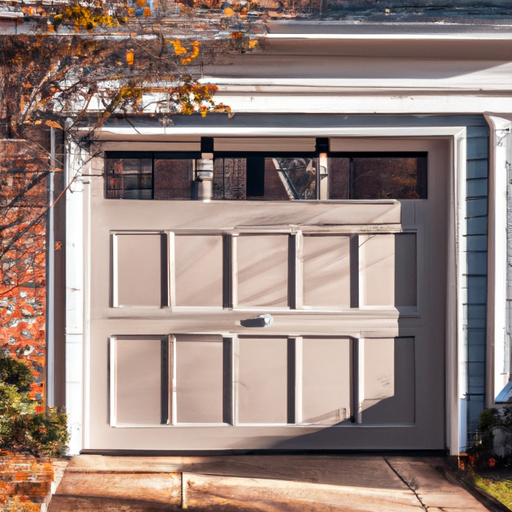
Boston, MA homeowners face specific climate and design choices when planning garage door replacement. Cold winters, coastal humidity, and historic neighborhood styles all influence which materials perform best. This guide explains common options, durability, insulation, and maintenance so you can choose confidently for your home improvement project.
Why material selection matters for garage door replacement
The material you choose affects energy efficiency, curb appeal, ongoing maintenance, and long-term value. For many residents in and around Boston, a smart garage door replacement balances weather resistance with visual fit for older New England architecture.
Common materials: pros, cons, and local fit
Steel
Steel is a top choice for garage door replacement because it’s strong, affordable, and available with insulated cores. In Boston’s freeze-thaw cycles, an insulated steel door helps reduce heat loss and avoid condensation that can damage hardware.
- Pros: durable, low cost, good insulation options
- Cons: can dent; may rust if finish is damaged—choose a quality coating for coastal areas
- Best for: homeowners needing a practical, long-lasting solution
Aluminum
Aluminum is lightweight and resists rust—helpful near salt air—but it’s easier to dent and can be noisier. For modern homes or wide openings, aluminum can be a good fit; choose reinforced styles for durability.
Wood and wood composites
Wood offers an authentic, warm look that matches colonial and Victorian homes common in Boston neighborhoods. Real wood requires periodic staining or painting and more maintenance to prevent rot in humid summers.
- Pros: premium appearance, customizable
- Cons: costly maintenance, susceptible to moisture without regular sealing
- Best for: homeowners focused on historical accuracy and high-end curb appeal
Fiberglass
Fiberglass resists corrosion and can mimic wood grain, but it becomes brittle in extreme cold. In Boston, choose fiberglass doors with proven cold-weather performance if you prefer the wood look but want lower maintenance.
Performance factors to weigh
Insulation (R-value)
Insulation matters if your garage is attached or used as a workshop. Higher R-value on a garage door replacement reduces heating costs and improves comfort. For Boston winters, aim for doors with solid insulation and tight seals to prevent drafts.
Wind and storm resistance
While Boston isn’t in the hurricane zone, Nor’easters and coastal storms bring strong gusts. Look for reinforced construction, wind-rated models, or additional reinforcement kits if your home is exposed.
Finish and corrosion protection
Coatings and finishes extend a door’s life. Galvanized steel, powder-coated aluminum, or marine-grade paint help protect against salt and moisture. For historic districts, pick finishes that meet local design standards while protecting the material.
Cost vs. long-term value
Initial price is only part of the equation. Consider lifetime maintenance, energy savings, and replacement intervals for each material. A mid-range insulated steel door may cost less upfront than wood but deliver similar lifespan with lower upkeep.
- Budget range (typical): steel (lower), aluminum (mid), fiberglass (mid), wood (higher)
- Factors that raise cost: custom sizes, carriage-house styles, windows, high R-value insulation
- Value drivers: warranty, local service availability, and regional performance in New England weather
Practical steps for Boston homeowners
Follow a short checklist when planning garage door replacement to avoid common pitfalls:
- Measure the opening and confirm any local permit needs for your Boston neighborhood or historic district.
- Decide on insulation based on how you use the garage—attached spaces benefit most.
- Compare warranties and whether the manufacturer covers finish and hardware in coastal conditions.
- Ask about reinforcement or wind-rating options if your property is exposed.
If you want project inspiration and seasonal tips, read our updates on our blog. When you’re ready to schedule an evaluation, view the full list of services we provide, or contact us for a local estimate.
Installation and timing
A standard garage door replacement typically takes a day for professional installers. Factors that extend the timeline include custom doors, structural repairs, or changes to opener systems. Plan for weather windows in late spring or early fall to avoid winter delays.
Maintenance tips by material
- Steel: inspect for chips and touch up paint; lubricate rollers and springs annually.
- Aluminum: check seals and reinforcement; rinse salt spray near the coast.
- Wood: re-seal or repaint every few years; watch for swelling after wet seasons.
- Fiberglass: clean with mild detergent; inspect for cracks in cold weather.
Regular maintenance extends the life of any garage door replacement and keeps your garage safe and insulated through Boston winters and humid summers.
Choosing a local installer
Pick a residential service provider experienced with local codes and weather conditions. Local professionals can advise on permit requirements, recommended insulation levels, and finishes that comply with neighborhood guidelines.
For a professional assessment and transparent quote, check our range of services and when ready, contact us to schedule a visit. Local installers can provide measured quotes that include materials, labor, and timelines so you can compare options fairly.
Summary: match material to use and climate
In Boston, MA, the best garage door replacement balances insulation, corrosion resistance, and style. Steel with solid insulation often delivers the best cost-to-performance ratio, while wood remains the choice for historic properties despite higher maintenance. Consider long-term costs, warranty coverage, and local climate before deciding.
When you’re ready to move forward, consult a local contractor who can show sample doors in person, provide precise estimates, and advise on permits for Boston neighborhoods.
Frequently asked questions
Q: How long does a typical garage door replacement take in Boston?
A: For a standard sectional door, expect one workday for removal and installation. Custom doors, repairs to the opening, or electrical work for an opener can add 1–3 days.
Q: Will my choice of material affect heating bills for an attached garage?
A: Yes. Choosing an insulated door with a higher R-value reduces heat loss. In Boston winters, an insulated steel door often gives the best balance of cost and energy savings for attached garages.
Q: Are permits required for garage door replacement in Boston?
A: Many straightforward replacements don’t need a permit, but changes to structural openings or electrical work often do. Check local Boston building department rules or have your installer confirm permit requirements.
Q: How do coastal conditions around Boston affect material choice?
A: Salt air increases corrosion risk. Choose galvanized or powder-coated finishes for steel, or corrosion-resistant materials like aluminum with proper reinforcement. Regular rinsing and finish care help prevent damage.
Q: What warranty and service expectations should I confirm?
A: Ask about manufacturer warranties for the door and finish, and service warranties for installation. Confirm how coastal exposure impacts warranty coverage and whether maintenance plans are available locally.
Helpful local resources in Boston, MA
- Garage Door Repair Boston
- Garage Door Repair Cambridge
- Garage Door Repair Newton
- Garage Door Repair Lexington
- Garage Door Repair Wellesley
- Garage Door Repair Brookline
- Garage Door Repair Somerville
- Garage Door Repair Burlington
- Garage Door Repair Andover
- Garage Door Repair Weston
- Garage Door Repair Belmont
- Garage Door Repair Westwood
- Garage Door Repair Sharon
- Garage Door Repair Needham
- Garage Door Repair Concord
- Garage Door Repair Hingham
- Garage Door Repair Scituate
- Garage Door Repair Marblehead
- Garage Door Repair Natick
- Garage Door Repair Milton
- Garage Door Repair Acton
- Garage Door Repair Medfield
- Garage Door Repair Sudbury
- Garage Door Repair Wayland
- Garage Door Repair Hanover
- Garage Door Repair Tewksbury
- Garage Door Repair Carlisle
- Garage Door Repair Dover
- Garage Door Repair Hopkinton
- Garage Door Repair Framingham

