

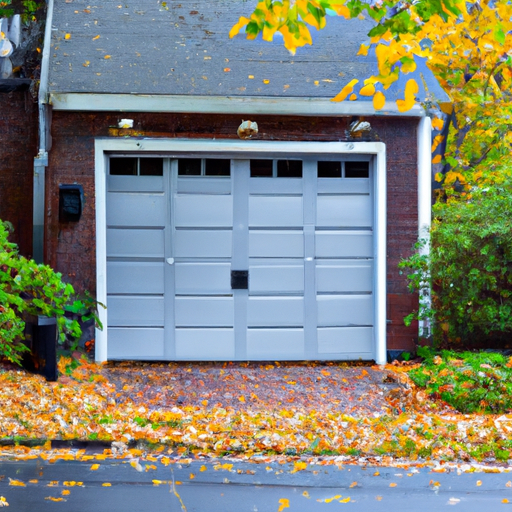
Boston, MA homeowners know New England weather tests every part of the house. That includes garage doors. Regular seasonal maintenance can prevent emergency garage door repair, keep your family safe, and extend the life of your opener and panels.
Why seasonal care matters for garage door repair
Garage doors are mechanical systems exposed to rain, snow, salt, and wide temperature swings. Neglect leads to frozen tracks, broken springs, worn rollers, and opener failures — all common reasons people call for garage door repair in MA. A brief seasonal checklist saves time and reduces repair bills.
Spring checklist: thaw, clean, and inspect
Spring is the best time to address winter wear and prevent summer problems.
- Clean tracks and drains. Remove debris and flush drainage areas to prevent water pooling near the bottom seal.
- Lubricate moving parts. Use a silicone or lithium spray on rollers, hinges, and the torsion spring bearing plate (avoid over-lubricating sensors or belts).
- Inspect weatherstripping. Replace cracked bottom seals to stop drafts and critters.
- Test auto-reverse and safety sensors. Place a 2×4 on the threshold and lower the door — it should reverse on contact.
- Check opener settings. After winter power changes, travel and force limits can shift.
For seasonal tips and local posts about caring for materials commonly used in our area, see our blog.
Summer tips: cooling and corrosion prevention
Summer humidity and coastal salt air in Boston can accelerate corrosion on metal parts and rollers. Focus on protection and ventilation.
- Inspect for rust. Sand and touch up small surface rust spots on steel panels and hardware to stop spread.
- Check insulation. Insulated doors reduce heat transfer and lower energy costs for attached garages used as workshops.
- Airflow and seals. Make sure vents and seals are intact to avoid moisture buildup under hot conditions.
Fall prep: tighten, secure, and test before winter
Autumn maintenance readies doors for snow and ice. Loose bolts and worn parts that go unchecked can fail under winter loads.
- Tighten fasteners on track brackets, hinges, and plate anchors. Temperature cycling loosens hardware.
- Test springs and cables visually. Never attempt to remove or adjust torsion springs yourself — these store dangerous energy. If you see fraying or gaps in a spring, schedule professional garage door repair immediately.
- Replace worn rollers. Nylon rollers are quieter and handle cold better than older steel rollers.
Winter care: prevent freezes and emergency calls
Boston winters bring ice and salt. Proper winter habits reduce the chance of a door freezing shut or an opener motor burning out from overwork.
- Keep bottom seals tight. If water pools and freezes, the door can jam and strain the opener.
- Clear snow from the threshold before opening the door. Use a plastic shovel to avoid damaging the seal.
- Use de-icer sparingly. Rock salt can corrode parts; consider sand for traction near the threshold.
- Warm up the opener if it’s slow. If your opener labors to lift the door in cold starts, schedule a service call — worn springs or failing motors need professional attention.
Quick monthly checks any season
- Visual inspection of cables, springs, rollers, and hardware.
- Test balance: disconnect the opener and lift the door halfway — it should stay put. If it drops, springs need adjustment by a pro.
- Operate the opener and listen for unusual noises.
When to call a pro for garage door repair
Call a licensed technician when you encounter:
- Broken or gap-split torsion springs.
- Frayed cables or loose drums.
- Door that won’t reverse or has erratic travel.
- Significant panel damage after impact.
Professional technicians have the tools and training to replace springs, realign tracks, and tune openers safely. For scheduling an inspection or service in Boston, use our contact page to request a visit.
Cost, timelines, and what to expect
Local pricing varies by job: a simple tune-up or lubrication can be a low-cost seasonal service, while spring replacement or major panel repair costs more. In Boston, expect a typical service call for maintenance under a few hundred dollars; spring replacement or motor replacement is higher. Emergencies outside normal hours can increase fees.
Turnaround depends on parts availability. Common springs and rollers are often stocked, so many repairs finish same-day or next-day. For larger custom doors or insulated replacements, allow a few days to a week for parts and scheduling.
To review full offerings and get an estimate, view our services page.
DIY safety: what you can do and what to avoid
Homeowners can handle light tasks: cleaning tracks, replacing weatherstrips, and lubricating rollers and hinges. Avoid any work on springs, cables, or opener limit settings unless you are trained. Those parts can cause severe injury or property damage.
Warranty, permits, and local rules
Many manufacturers offer warranties on springs, openers, and panels — keep invoices and model numbers for warranty claims. In Boston, permits are not typically required for residential garage door replacements, but homeowners should check with local building code officials for historic districts or structural changes to the garage opening. If a repair involves electrical work beyond the opener (hardwiring, new circuits), an electrical permit may be required.
Preparing for a seasonal service visit
Before the technician arrives:
- Clear the garage area around the door so the tech can work safely.
- Note unusual noises, when the problem started, and any prior repairs — this speeds diagnosis.
- Have the door reachable and accessible from inside and out.
Regular seasonal maintenance reduces calls for urgent garage door repair and keeps doors functioning through Boston’s changing seasons. If you want a professional inspection timed to your needs, reach out through our contact page to schedule a technician.
Frequently Asked Questions — Boston, MA
Q: How does Boston winter salt affect my garage door?
A: Salt accelerates corrosion on steel tracks, hardware, and lower panels. Rinse the exterior and lubricate moving parts in late winter and early spring. Inspect for rust spots and address them before the problem spreads.
Q: How quickly can a local tech replace a broken spring?
A: If the spring type is common and in stock, most companies in Boston can replace a torsion spring same-day or within 24–48 hours. Specialty springs or older doors may take longer; ask your technician about parts availability when you call.
Q: Are there permit requirements for door replacement in Boston?
A: Standard residential door replacements that don’t change structural openings usually don’t require a permit. For alterations to the garage opening or electrical rewiring, check with the Boston Inspectional Services Department or your contractor.
Q: What is a reasonable price range for a seasonal tune-up in Boston?
A: Seasonal maintenance visits typically run from a modest service fee up to a few hundred dollars depending on scope. A full safety inspection and lubrication is often in the lower price band; parts and replacements increase the cost.
Q: Does regular maintenance affect my warranty?
A: Yes. Most manufacturer warranties require routine maintenance. Keep receipts and date-stamped service records; professional inspections help preserve warranty coverage on openers and springs.
Helpful local resources in Boston, MA
- Garage Door Repair Boston
- Garage Door Repair Cambridge
- Garage Door Repair Newton
- Garage Door Repair Lexington
- Garage Door Repair Wellesley
- Garage Door Repair Brookline
- Garage Door Repair Somerville
- Garage Door Repair Burlington
- Garage Door Repair Andover
- Garage Door Repair Weston
- Garage Door Repair Belmont
- Garage Door Repair Westwood
- Garage Door Repair Sharon
- Garage Door Repair Needham
- Garage Door Repair Concord
- Garage Door Repair Hingham
- Garage Door Repair Scituate
- Garage Door Repair Marblehead
- Garage Door Repair Natick
- Garage Door Repair Milton
- Garage Door Repair Acton
- Garage Door Repair Medfield
- Garage Door Repair Sudbury
- Garage Door Repair Wayland
- Garage Door Repair Hanover
- Garage Door Repair Tewksbury
- Garage Door Repair Carlisle
- Garage Door Repair Dover
- Garage Door Repair Hopkinton

