

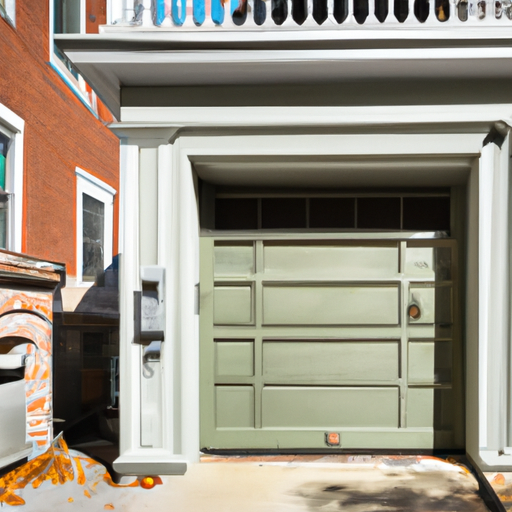
Boston, MA homeowners planning a garage upgrade need clear guidance on when to replace parts during a garage door replacement. Weather, safety, and long-term value all affect whether you swap a single component or invest in a full door system. This guide walks through common parts, inspection tips, and local considerations so you can make a practical decision.
Why part-by-part decisions matter for garage door replacement
Choosing parts rather than a full replacement can save money up front, but it may cost more over time if incompatible or worn components remain. For residential customers in Boston, MA, salt, humidity, and freeze-thaw cycles accelerate wear on springs, cables, and rollers. When planning a garage door replacement, check each major component for safety and lifespan.
Key parts to inspect and when to replace them
Springs
Torsion and extension springs do the heavy lifting. A spring with visible gaps, rust, or more than 10,000 cycles is a sign to replace. If one spring is failing, replace paired springs together to balance lift and extend the life of the new springs. For typical garage door replacement projects in MA, technicians recommend replacement when any of these signs appear.
Cables and drums
Frayed cables or worn drums create safety hazards and strain other parts. Replace cables during a garage door replacement if there is any fraying, rust, or kinking. Cables are inexpensive relative to the cost of damage from a snapped cable.
Rollers, hinges, and tracks
Rollers and hinges affect smooth operation. Nylon or sealed bearings last longer than unlubricated steel rollers in coastal or urban Boston conditions. Replace rollers and hinges during replacement if they wobble, bind, or show visible wear. Tracks should be straight; minor dents can be tapped back, but severely warped tracks need replacement.
Openers and electronics
Smart openers and safety sensors are crucial for modern garage doors. If your opener lacks battery backup, modern safety features, or remote connectivity, consider replacing it during the garage door replacement. Wiring that is brittle or outdated should be updated to meet current safety standards.
Panels and insulation
Door panels that are dented, delaminated, or suffering from rot should be replaced. If you’re replacing multiple panels, evaluate upgrading to insulated sections for better energy performance — a common home improvement choice in MA to reduce garage heat loss.
Decision framework: replace part, repair, or full replacement?
Use this simple checklist to decide:
- Safety risk (broken springs, frayed cables): replace now.
- Multiple worn parts: consider full garage door replacement to ensure compatibility.
- Single isolated issue in otherwise new system: part replacement is often sufficient.
- Doors older than 15–20 years: weigh long-term value of a full replacement.
Balance cost, safety, and expected remaining life. For most Boston homeowners, combining part replacement with targeted upgrades (rollers, seals, opener) yields the best mix of cost and performance.
Local factors in Boston that change timing
Boston’s climate and building stock mean a few specific things:
- Salt and humidity accelerate corrosion—inspect springs and cables annually.
- Older homes often have uneven openings—replace the door and parts together to avoid fit issues.
- Energy codes and local permit requirements can affect insulated door choices—check before installing.
Permits and code considerations
Small part replacements usually don’t require permits, but full garage door replacement or structural modifications may. If you replace header hardware or change the opening size, consult local building officials. Our team can advise whether a permit is needed and help with paperwork; see our services page for scope and permit guidance.
Cost expectations and timelines for Boston homeowners
Replacement costs vary by part and door size. Typical ranges for Boston, MA:
- Springs (both replaced): modest cost, same-day service common.
- Cables and drums: low to moderate cost; usually replaced with springs.
- Openers with smart features: higher investment; 1–2 days to install if electrical updates are needed.
- Full garage door replacement (including new panels and insulation): larger investment; 1–3 days typical depending on customization.
For a precise estimate tailored to your house, schedule an inspection. You can request service or a quote via our contact page.
Maintenance tips to extend part life
Regular maintenance reduces the need for premature replacement. Recommended actions for Boston homes include:
- Annual safety inspection of springs and cables by a qualified technician.
- Lubricate rollers, hinges, and springs at least twice a year (use manufacturer-approved lubricants).
- Clear drains and check bottom seals before winter to prevent moisture damage.
- Test safety sensors monthly and replace batteries in remotes yearly.
Maintenance can delay full garage door replacement and keep individual parts functioning longer.
When a full garage door replacement makes sense
Replace the entire system when multiple components are failing, the door is older than 15–20 years, or when energy efficiency and curb appeal are priorities. A coordinated replacement ensures springs, tracks, rollers, and openers are matched for optimal performance. For homeowners focused on home improvement value, a full garage door replacement often provides the best return over time.
If you want to read homeowner tips and case studies, check our blog for local examples and seasonal care advice.
Deciding which parts to replace during a garage door replacement comes down to balancing safety, lifetime, and cost. For Boston, MA properties especially, short-term savings rarely beat the long-term benefits of matched, corrosion-resistant components and modern openers. When in doubt, have a certified technician evaluate the whole system so you can prioritize correctly.
Frequently Asked Questions — Boston, MA
Q: How does Boston winter weather affect when I should replace springs?
A: Cold snaps in Boston reduce metal flexibility and can cause springs to break more easily. If springs show rust or are more than 10 years old, replace them before winter to avoid an emergency break when temperatures drop.
Q: Will I need a permit for a full garage door replacement in Boston?
A: Minor part replacements rarely need a permit. Full replacements that change the opening size, header, or structural elements may trigger a permit. Check local building rules or ask our team when you contact us for an on-site assessment.
Q: What is a realistic timeline to replace multiple parts during a garage door replacement?
A: Most part replacements (springs, cables, rollers) are completed the same day. A full garage door replacement usually takes 1–3 days depending on delivery of panels and whether electrical work for the opener is needed.
Q: How much should I budget for common part replacements in MA?
A: Budget modestly for springs and cables (affordable) and more for a modern opener or insulated panels. Exact pricing varies by door size and materials; request a local estimate to get accurate figures for Boston-area homes.
Q: Are there warranties for parts when I replace them as part of a garage door replacement?
A: Warranties depend on the manufacturer and installer. Many parts carry limited warranties; new openers often have 1–5 year parts warranties. Ask for warranty documentation before repair or replacement.
Helpful local resources in Boston, MA
- Garage Door Repair Boston
- Garage Door Repair Cambridge
- Garage Door Repair Newton
- Garage Door Repair Lexington
- Garage Door Repair Wellesley
- Garage Door Repair Brookline
- Garage Door Repair Somerville
- Garage Door Repair Burlington
- Garage Door Repair Andover
- Garage Door Repair Weston
- Garage Door Repair Belmont
- Garage Door Repair Westwood
- Garage Door Repair Sharon
- Garage Door Repair Needham
- Garage Door Repair Concord
- Garage Door Repair Hingham
- Garage Door Repair Scituate
- Garage Door Repair Marblehead
- Garage Door Repair Natick
- Garage Door Repair Milton
- Garage Door Repair Acton
- Garage Door Repair Medfield
- Garage Door Repair Sudbury
- Garage Door Repair Wayland
- Garage Door Repair Hanover
- Garage Door Repair Tewksbury
- Garage Door Repair Carlisle
- Garage Door Repair Dover
- Garage Door Repair Hopkinton

