

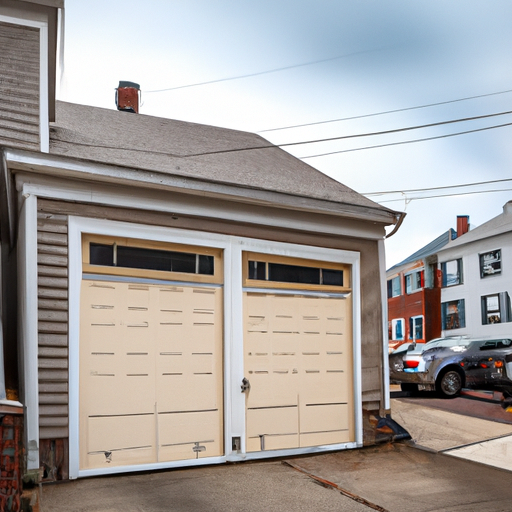
Boston, MA homeowners are increasingly choosing smart garage systems to make daily routines easier and improve home security. This guide gives clear, local advice on choosing, installing, and maintaining smart garage systems for typical New England homes. Read practical tips below to plan upgrades that fit Boston weather, building rules, and your budget.
Why consider smart garage systems for your home
Smart garage systems connect your garage doors to apps, cameras, and home automation platforms. For homeowners they deliver convenience, remote access, delivery management, and an added layer of security without changing how you use your garage doors every day.
Key benefits in Boston include:
- Remote monitoring during travel or work commutes across the Metro area.
- Automatic alerts when the garage remains open—helpful in changeable New England weather.
- Integration with smart locks, security cameras, and voice assistants for a coordinated home improvement plan.
Choosing the right smart garage systems
Not every smart garage system fits every garage. Start by listing what you need: remote access, camera integration, smart-key sharing for neighbors or contractors, and compatibility with existing door openers and garage doors.
Compatibility & security
Confirm the system supports your opener model and the type of garage doors you have. New units often work with most belt- and chain-drive openers, but older or proprietary systems may need an adapter or a full opener replacement. Pick a solution that encrypts communications and offers two-factor authentication to avoid weak points in the networked chain.
Local climate and materials
Boston winters mean salt, cold, and moisture. Choose sensors and exterior modules rated for low temperatures and corrosion resistance. If you have older wooden doors, plan for additional maintenance; if you have insulated steel or composite doors, look for systems that won’t interfere with thermal seals.
Installation, permits, timelines, and costs
Installation complexity ranges from a 45-minute self-install for a simple Wi‑Fi add-on to a half-day or full-day job for a new smart opener with camera and battery backup. In Boston, many homeowners opt for a certified residential service to ensure wiring, safety sensors, and door balance are correct.
- Timeline: Add-on module: 1–2 hours. Full opener replacement and camera integration: 3–6 hours depending on complexity and retrofit needs.
- Price ranges: Expect add-on smart modules from about $100–$300. A mid-range smart opener with installation typically runs $600–$1,500. Premium units with integrated cameras, battery backup, and professional installation can reach $1,800–$3,500. Final cost depends on hardware, door condition, and labor.
- Permits: Structural changes or new wiring may require permits in some Boston neighborhoods. Smaller electronic upgrades usually do not, but always verify with the City of Boston building department or your contractor.
For tips on planning a full upgrade project and learning about recent product reviews, check our articles in the blog here.
Maintenance, warranties, and local service expectations
Smart garage systems add digital features, but the mechanical parts of your garage doors still need annual attention. A residential service check should include springs, cables, rollers, door balance tests, sensor alignment, and software/firmware updates for smart modules.
Ask potential installers about warranty coverage for both hardware and labor. Many manufacturers offer 1–5 year hardware warranties; reputable local residential service providers often include a 90-day to 1-year workmanship guarantee. Keep receipts and registration info for your smart components—these speed warranty claims and firmware updates.
Winter prep for Boston
- Lubricate moving parts with manufacturer-recommended products in late fall.
- Check rubber seals and weatherstripping for gaps before freezing weather arrives.
- Ensure exterior sensors and cameras are installed with drainage/clearance to avoid ice buildup.
Practical checklist before you buy
- Confirm compatibility with existing garage doors and openers.
- Decide whether you need cameras, packagesensing, or just remote control.
- Verify local permit requirements if the project involves new electrical work.
- Request itemized quotes from two local providers and compare hardware models, installation labor, and warranty terms.
- Plan a routine maintenance schedule with a trusted residential service provider to protect both the mechanical and smart components.
If you want a local estimate or have questions about an existing system, reach out for a site visit and written quote through our contact page here. For details on specific installation options we offer, view our services here.
Upgrading to smart garage systems can improve daily convenience, increase property value as a home improvement, and enhance security—when you pick the right combination of hardware, installer, and maintenance plan for Boston conditions.
Frequently asked questions — Boston, MA
1. Will a smart garage system survive Boston winters?
Yes—choose components rated for low temperatures and mount exterior modules under eaves or behind protective housings. Also check battery specifications; extreme cold reduces battery runtime, so select systems with proven cold-weather performance.
2. Do I need a permit to install smart garage electronics in Boston?
Most add-on modules do not need permits, but if installation requires new wiring, changes to the structure, or electrical work tied to the house panel, contact the City of Boston building department or your installer to confirm permit requirements.
3. How long does full installation take for a smart opener and camera?
Expect 3–6 hours for a full replacement and integration. Simple smart modules that attach to existing openers often take under two hours. Timelines depend on door condition and any needed electrical work.
4. What price range should I plan for in Boston?
Add-on modules: roughly $100–$300. Mid-range openers with smart features and installation: $600–$1,500. Top-tier systems with integrated cameras and professional installation: $1,800–$3,500. Ask for written estimates for accurate local pricing.
5. What warranties and maintenance should I expect?
Look for manufacturer warranties of 1–5 years on hardware and a workmanship warranty from the installer (commonly 90 days to 1 year). Schedule annual maintenance for springs, sensors, and firmware checks to keep both mechanical and smart parts reliable.
Helpful local resources in Boston, MA
- Garage Door Repair Boston
- Garage Door Repair Cambridge
- Garage Door Repair Newton
- Garage Door Repair Lexington
- Garage Door Repair Wellesley
- Garage Door Repair Brookline
- Garage Door Repair Somerville
- Garage Door Repair Burlington
- Garage Door Repair Andover
- Garage Door Repair Weston
- Garage Door Repair Belmont
- Garage Door Repair Westwood
- Garage Door Repair Sharon
- Garage Door Repair Needham
- Garage Door Repair Concord
- Garage Door Repair Hingham
- Garage Door Repair Scituate
- Garage Door Repair Marblehead
- Garage Door Repair Natick
- Garage Door Repair Milton
- Garage Door Repair Acton
- Garage Door Repair Medfield
- Garage Door Repair Sudbury
- Garage Door Repair Wayland
- Garage Door Repair Hanover
- Garage Door Repair Tewksbury
- Garage Door Repair Carlisle
- Garage Door Repair Dover
- Garage Door Repair Hopkinton
- Garage Door Repair Framingham

